By Kourtney Gierke, Contributor
It’s hard to define a genre that fits in the waiting room between 70s punk rock and 80s synthpop. Nevertheless, the broadly defined “New Wave,” like most genres, has a rich history and impactful movement that led to the development of new sounds. Hits like The B-52’s “Rock Lobster” and Duran Duran’s “Hungry Like the Wolf” encompass the sparkly, synthy, bold sound that defines the genre. New Wave expanded to influence all of pop culture, including fashion, technology and music videos.
New Wave originated in the late 70s near the death of punk rock. Still inhabiting the same individuality, it was a more “cleaned up” version of punk. Less political affiliation and raw sounds made new wave more commercially appealing yet experimentally interesting. Still, it broke the boundaries that punk created while carrying the same values.
Read More: Album Review: Ethan Cain – Perverts
Many countries experienced the shift to electronic and synth sounds like Germany with “Krautrock:” an experimental, avant-garde genre that utilized electronic and synthesizer instrumentation. Nothing could compare to the explosion new wave had in the U.K. and U.S., however. The U.K. was more driven by post-punk and gothic influence with bands like Joy Division and Siouxsie and the Banshees. The U.S., on the other hand, was a lot more pop-fueled, shown in Devo and Blondie.
Let’s start with the Talking Heads. Having a multitude of upbeat classics like “This Must Be the Place” and “The Girl Wants to Be with the Girls,” this band is a new wave classic. The band formed in New York City in 1975 with members David Byrne, Tina Weymouth, Chris Frantz and Jerry Harrison. Their 1977 album Talking Heads: ‘77 was a unique and innovative album for its time. Songs like “Psycho Killer” emphasized the quirky and distinct sound they pioneered.
One of the most quintessential bands in this genre is the B-52’s. Combining the synthy sound of new wave with surf rock, B-52’s is easily memorable and classic. Their high energy performances from hits like “Love Shack” and “Rock Lobster” encapsulate the heart of new wave. Forming in Athens, GA, with members Fred Schneider, Cindy Wilson, Kate Pierson, Keith Strickland and Ricky Wilson. The band formed at an Athens Chinese restaurant and would venture to perform in New York City venues on weekends before unsurprisingly exploding in popularity in the 80s.
The band Devo, formed at Kent State University in 1972, brought a different sound to new wave. With their self-proclaimed “de-evolution” philosophy, Devo brought the punk energy with electronic sounds and futuristic imagery. Their 1978 album Q: Are We Not Men? A: We Are Devo! became an instant cult classic with their most popular hit being “Whip It.”
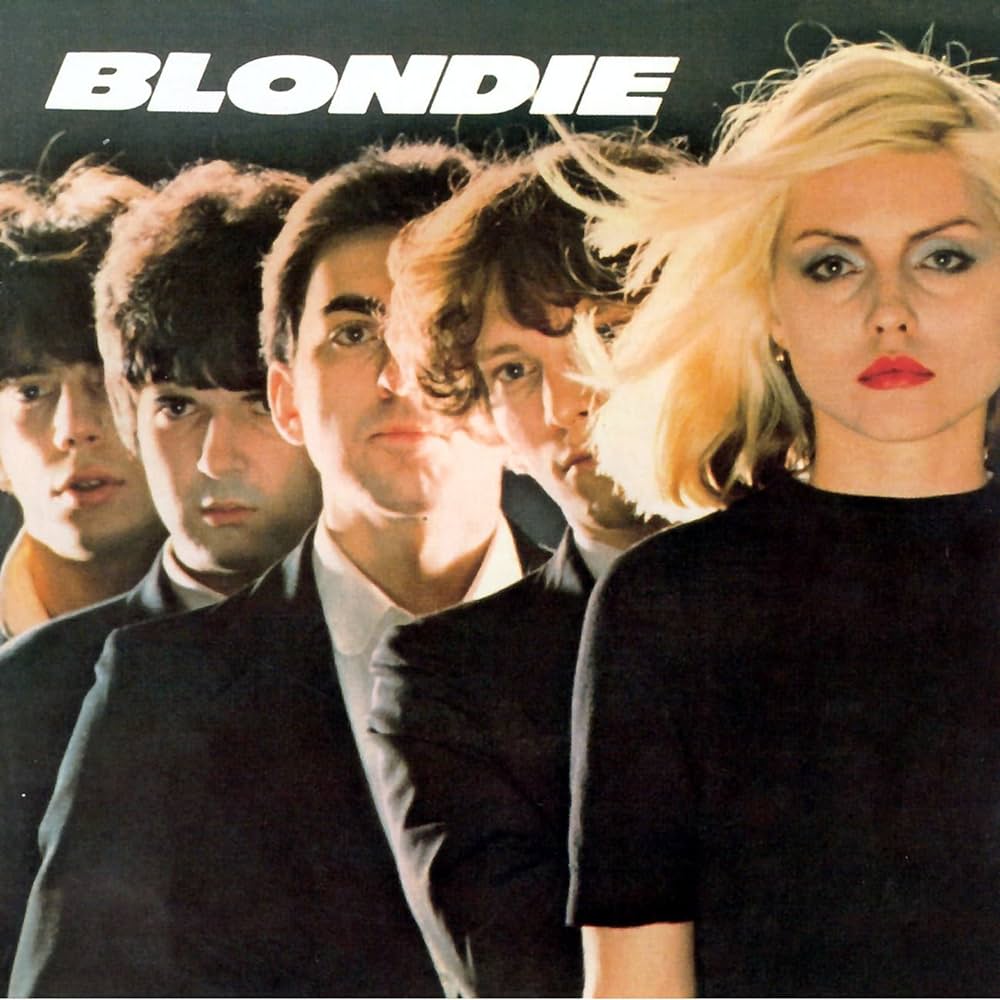
“Heart of Glass” and “One Way or Another” would not be possible without the masterpiece that is Blondie. Like many U.S. bands at the time, Blondie formed in New York City in the mid-70s. The members included lead vocalist Debbie Harry with Chris Stein, Clem Burke, Gary Valentine and Jimmy Destri. Blondie was a catalyst for bringing new wave into massive commercial success with their 1978 album Parallel Lines.
One of the most commercially successful new wave bands of the early 80s, Duran Duran fused electronic elements with infectious pop hooks. With their slick, polished sound and fashion-forward image, they became a staple of the MTV generation. Their albums, such as Rio and Seven and the Ragged Tiger helped elevate new wave music into the mainstream, reaching audiences across the globe. Songs “Hungry Like the Wolf” and “Girls on Film” became instant classics.
The Cure emerged from the post-punk U.K. movement and defined the gothic route New Wave took in the early 80s. Their hits “Just Like Heaven” and “Lovesong” encapsulate this sound with darker aesthetics. Other bands to follow the gothic new wave revolution include Siouxsie and the Banshees and New Order.
In addition to its musical innovation, New Wave music also thrived on visual innovation, and a lot of this success was tied to the explosion of music videos in the early 1980s, especially with the launch of MTV in 1981. Music videos were no longer just promotional tools; they became an integral component to the sound, and new wave artists were quick to embrace the new medium. MTV’s rotation of new wave videos blending vibrant colors and surreal imagery helped elevate bands like Duran Duran, Culture Club and Adam and the Ants.
New Wave’s influence can still be felt in modern pop and alternative music. Elements of its electronic experimentation and catchy sounds are present in today’s indie, electronic and alternative musicians. Bands like LCD Soundsystem evolved from the New Wave pioneers while adapting to the modern indie sound.
New Wave was more than just a genre; it was a cultural movement that reshaped the landscape of popular music, fashion and media. From the quirky, artful sounds of Talking Heads to the mainstream success of Devo, the genre represented a pivotal moment in the history of popular culture.

 ACRN.COM
Leave a comment