By Kourtney Gierke, Contributor
Known for a perfect blend of upbeat, horn-infused ska with punk rock of the 70s, ska punk is a distinctly quirky genre made most popular in the 1990s. Although many critics have claimed ska punk to be a quick musical fad, it actually has a long history full of diverse culture. Bands like Sublime, Rancid and The Mighty Mighty Bosstones popularized the genre and brought it to mainstream success, but let’s look at where it all started.
It would be impossible to fully understand the layers of ska punk without first looking into the deep-rooted origins of ska. Ska originated in the late 1950s in Jamaica, combining influences from New Orleans’ rhythm and blues with Caribbean folk and even Cuban mambo. This unique combination created Jamaica’s distinct dance-infused rhythmic genre named for the “ska ska ska” interjection heard in many songs. Common characteristics of the ska sound include horn instruments and playing on the offbeats.
Read more: A Love Letter to how i’m feeling now by Charli xcx
Like punk, ska was rooted in social movements happening at the time. While punk was rebelling against order and status quo in the United Kingdom, ska was celebrating Jamaica’s independence from Britain in 1962. During this time, musicians such as Don Drummond and Tommy McCook dominated the ska scene.
Ska’s history is often recognized to have three waves. The third wave marks the emergence of ska and punk, bringing the genre to international acclaim. Various punk bands in the 70s were attempting to combine their U.K. sound with Jamaica’s reggae. Because of the harsh contrast between the genres, the combination didn’t quite work. With experimentation from bands like The Police, Stiff Little Fingers and Bad Brains, the music accidentally leaned more ska than reggae. It was The Clash that officially pioneered the ska punk fusion. Starting with reggae influences on their 1979 album London Calling, The Clash transitioned to ska punk. Songs like “Rudie Can’t Fail” epitomize this newfound genre by using ska rhythms and upbeat horns.
Other bands quickly picked up and fully fleshed out the genre. Ska punk moved from The Clash’s origins in the U.K. to primarily being created in California, matching the upbeat and tropical feel of ska. The genre expanded throughout the entirety of the 80s and 90s, gaining the most popularity at the height of 90s alternative rock. Bands like Voodoo Glow Skulls, Operation Ivy, Rancid, and most popularly, Sublime, became the faces of the iconic ska punk sound.
Formed in 1988 in Riverside, CA, the Voodoo Glow Skulls is one of the quintessential ska punk bands with songs like “Shoot the Moon” off of their successful 1995 album Firme. With a saxophonist and trombonist in the band, they really lean into the horns that characterize ska with the harder punk rock feel. Other hits of theirs include “Insubordination” and “El Coo Cooi.” While not as commercially successful as other bands in the 90s, the Voodoo Glow Skulls had fast-paced songs with syncopated rhythms and punk-fueled choruses that evolved the genre at the time.
Another popular 90s ska punk band is Operation Ivy. On the other side of California, the band formed in Berkeley in 1987. Although not as fast as the Voodoo Glow Skulls, Operation Ivy had the fast paced and upbeat sound typical of the genre. Their lyrics were more punk as they advocated for social change in songs “Unity” and “Take Warning.” The band was most popular in the late 80s with their 1989 release of Energy before their breakup later that year. Operation Ivy had – and arguably still has – an underground cult following. Bands from The Aquabats to Green Day have covered their songs as they leave behind a ska punk legacy.
Known primarily for their hit “Time Bomb,” Rancid formed in 1991 after the disbanding of Operation Ivy. Members Tim Armstrong and Matt Freeman created Rancid and brought the ska punk movement to mainstream attention. Their 1994 album Let’s Go brought them much success with “Salvation,” but that would only multiply after their following album, …And Out Come The Wolves. The album featured many of their most popular songs: “Time Bomb,” “Ruby Soho,” and “Roots Radical.” Rancid had the perfect balance between the punk rock sound and the upbeat ska mix, creating a lasting impact on the genre.
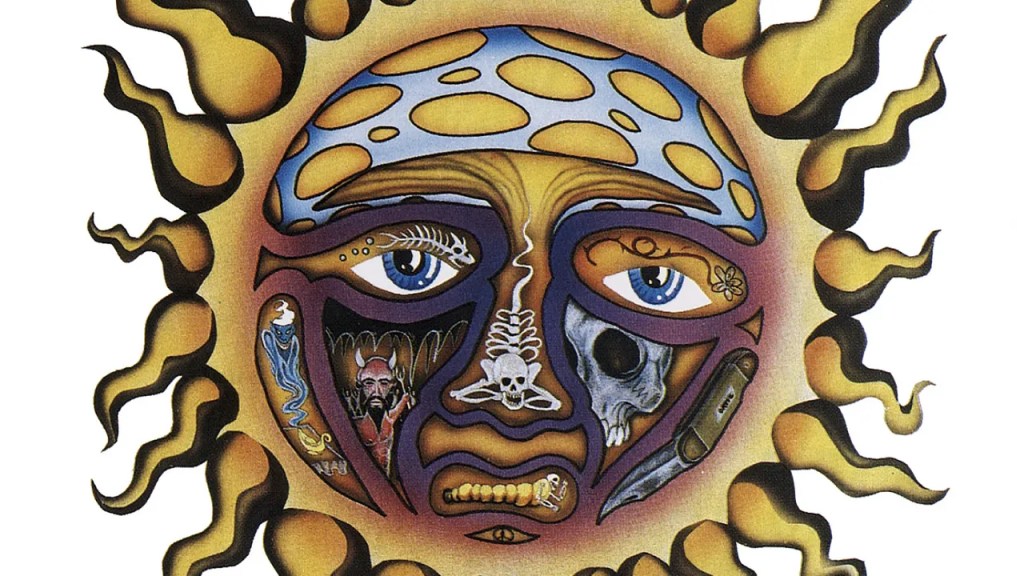
Last but certainly not least, Sublime hands-down made the largest lasting impact on the ska punk sound. One of the most popular rock bands in the 90s, the band encapsulated the Southern California ska punk feel and mixed their sound with reggae and hip hop influences. Songs “Santeria,” “What I Got” and “Garden Grove” all come off the 1996 self-titled album, bringing them lasting popularity and even more success for ska punk.
Ska punk was and still is an impactful genre that mixes different influences from the U.K. to Jamaica to create something unique and impactful. Many bands from the late 90s noted ska as an influence, from No Doubt to the Mighty Mighty Bosstones. Ska punk leaves behind a 90s rock legacy for tackling the punk social issues and still keeping that upbeat and lighthearted sound of ska.


 ACRN.COM
Leave a comment